
Have you ever noticed how some blog posts get traffic for a few days and then disappear?
You publish something. People click. Maybe they share it too. For a short time, it feels like it is working.
Then slowly, everything drops. No traffic. No leads. It feels like all your effort is gone.
But not all content works like this.
Some pages keep bringing visitors every month. They keep ranking on Google. They keep generating leads even after a long time.
This is called evergreen content.
Evergreen content for SEO is content that stays useful and relevant for a long time. It does not depend on trends or news. It keeps working for your website again and again.
In this blog, you will understand what evergreen content is, why it matters for SEO, and how it helps your website grow steadily over time.
What evergreen content is and why it matters for SEO

Evergreen content is content that stays useful for a long time. It doesn’t go out of date quickly. Unlike trend-based posts or news articles, it keeps bringing visitors and traffic to your website months or even years after you publish it.
Temporary posts might get clicks at first, but people stop searching for them after a while. Evergreen pages keep answering questions people always have.
Every website can benefit from evergreen content. SaaS websites, blogs, service websites, or e-commerce stores anyone can use it.
Example: One detailed guide about SEO can bring more traffic than ten small trend-based posts combined.
Why websites lose rankings without evergreen content
Websites can lose their rankings if they don’t have evergreen content. Posts that are based on trends or news only work for a short time. After a few weeks or months, people stop searching for them, and traffic drops.
Many websites rely on publishing new content all the time to stay visible. This can be stressful and unpredictable. If you stop posting, your traffic falls quickly.
Without evergreen pages, a website doesn’t have a solid foundation for SEO. There is nothing stable to keep your rankings consistent over time.
Example: A blog that only writes about yearly trends may see traffic drop every year when the topic is no longer popular.
How evergreen content creates stable SEO growth

Evergreen content helps your website grow steadily over time. People keep searching for the same questions, so pages that answer those questions continue to get traffic month after month.
Even when Google changes its algorithms, evergreen pages often stay strong in rankings because they are useful, complete, and relevant. This gives your website more stability than trend-based posts.
Traffic also becomes less up and down. Instead of spikes and drops, you get a steady flow of visitors that you can count on.
Example: A step-by-step tutorial on using a popular tool keeps getting clicks even after Google updates its search algorithm.
Evergreen content as a high-ROI SEO investment

Evergreen content takes effort to create once, but it keeps giving results for a long time. You don’t need to keep rewriting it every month, and it continues attracting visitors, leads, and traffic over the years.
Compared to trend-based posts, which need constant updates and new angles to stay relevant, evergreen content is much easier to maintain. A little refresh now and then is enough.
This makes it a smart choice for both small startups and big companies. It saves time, reduces stress, and delivers lasting value.
Example: HubSpot’s evergreen guides keep generating leads and traffic years after publishing, without constant updates.
How evergreen content brings steady search traffic

Evergreen content keeps getting visitors because it answers problems that don’t go away. People always want to know certain things, and they keep searching for answers over time.
It works because the questions people ask are often the same, year after year. No matter how tools or trends change, the core problems stay the same.
Example: A step-by-step SEO guide continues to bring new readers even after years.
Understanding evergreen search intent
Evergreen search intent means the reason people search stays steady. They want answers to the same questions, again and again.
Example: “How does SEO work?” is a question beginners and marketers search for every year.
Evergreen keyword demand
Some keywords stay useful no matter the time. They don’t need a year or season in the phrase to make sense.
Example: “Benefits of evergreen content for SEO” is a keyword that keeps getting searched month after month.
Why Google likes evergreen content

Google ranks content higher when it stays helpful for users over time. Evergreen pages show value because people read them, spend time on them, and share or link to them.
These pages naturally get backlinks from other sites and blogs, which tells Google they are trustworthy. This is why evergreen content often ranks better than newer, trend-based posts.
Relevance beats freshness
It’s not always about publishing new content. Google prefers pages that fully answer a topic, even if they were written a while ago.
Example: Backlinko’s SEO guides keep outranking newer blogs because they are detailed, updated, and really useful.
Authority and trust signals
Evergreen content builds authority over time. When other websites cite your content often, Google sees your site as a trusted source. This is part of EEAT – expertise, authoritativeness, and trustworthiness.
Example: Investopedia’s finance guides are referenced by many other sites, which keeps them ranking high for years.
Main SEO benefits of evergreen content
Evergreen content is like a long-term investment for your website. It keeps bringing people to your site, helps your pages rank higher, and builds trust in your brand. Instead of quick bursts of traffic, it creates steady results that grow over time.
Consistent organic traffic
Evergreen pages keep getting visitors because they answer questions people always have. New users find your content every month, and many come back again.
Example: Wikipedia’s SEO articles get millions of visits year after year because the content stays useful.
Stronger rankings over time
As evergreen content ages, it often ranks even better. Google likes pages that stay relevant and useful, so these pages slowly climb in search results.
Example: Moz’s beginner guides on SEO have stayed at the top for years because they remain accurate and helpful.
Long-term SEO ROI
A well-made evergreen page keeps giving results without constant effort. Traffic, leads, and backlinks all add up over time, making it a very cost-effective investment.
Example: HubSpot’s evergreen blogs on marketing and inbound strategy continue bringing leads years after publishing.
Brand authority and credibility
When you consistently provide helpful evergreen content, people start trusting your site. This builds your authority in your niche and makes visitors more likely to return or recommend you.
Example: Ahrefs’ educational guides on SEO help position the brand as a go-to authority for marketers worldwide.
Passive link building
Evergreen content naturally attracts backlinks from other websites because it remains useful over time. This strengthens your site’s SEO without extra outreach.
Example: Ahrefs’ SEO glossary is referenced by blogs, tools, and learning resources, creating a steady stream of high-quality backlinks.
Evergreen content vs short-term SEO content
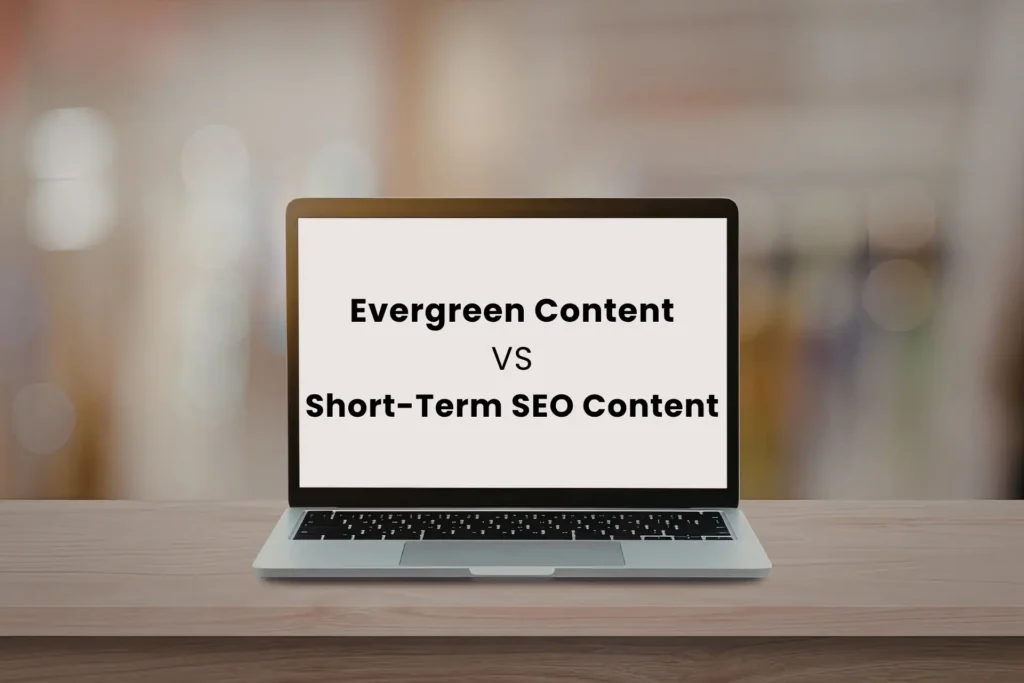
Not all content works the same. Short-term content is like a news post: it gets attention fast but fades quickly. Evergreen content keeps working for months or years. It builds steady traffic, authority, and long-term results.
Short-term posts often need constant updates, promotion, and backlinks to stay visible. Evergreen content doesn’t. Once it’s made, it keeps delivering results with minimal effort.
Evergreen vs. Trending SEO content
The main difference between evergreen and trending content is how long they stay useful. Trending content is based on current news or popular topics. It gets attention quickly, but its value goes down once the trend is over.
Evergreen content stays useful for a long time. It keeps helping users and bringing traffic again and again, even after months or years.
For example, a blog about a Google algorithm update may get a lot of traffic for a few days, but then it slowly drops. On the other hand, a guide on SEO fundamentals continues to bring visitors consistently over time.
Evergreen vs. off-page SEO
Evergreen content can reduce your need for heavy link-building campaigns. If your content is detailed, helpful, and well-structured, it can rank even with few backlinks.
Example: Some in-depth how-to guides or tutorials rank high on Google without many external links because they solve the problem better than newer or trend-focused posts.
Best types of evergreen content

Not all content performs the same. The format you choose matters a lot for SEO and engagement. Evergreen content works best when it clearly answers questions, explains concepts, or shows step-by-step solutions. Well-structured content keeps readers engaged and naturally attracts traffic and backlinks over time.
By choosing the right format, your pages can stay relevant for years, building authority and becoming a go-to resource for your audience.
In-depth guides & tutorials
These are long, detailed resources that explain a topic completely. People come back to them again and again, and other websites often reference them.
Example: Moz’s Beginner’s Guide to SEO has stayed popular for years because it covers everything beginners need to know in one place.
How-to educational content
Step-by-step guides or tutorials are very useful because people always need instructions to solve problems. These pages continue attracting traffic as new users look for guidance.
Example: Shopify’s business guides show users how to start and grow online stores. Entrepreneurs keep returning to these guides every year.
Glossaries & definitions
Reference content that explains terms, tools, or concepts works long-term. These pages become authoritative sources because people and other websites link to them naturally.
Example: Google Search Central’s documentation provides clear definitions and explanations that stay relevant, making it a trusted reference for SEO professionals.
Evergreen content ideas that actually work for your website

Not all content is made equal. Some pages stay useful for years, while others fade after a few weeks. Evergreen content is about creating content that keeps helping your visitors, no matter when they land on your site. The type of content you create depends on your business, but the goal is always the same: provide lasting value and attract traffic consistently.
SaaS websites
For software or SaaS companies, evergreen content usually teaches people how to use your product or solve common problems. These guides help new users get started and keep coming back for help.
Example: Zapier’s automation tutorials show step-by-step workflows. New users keep referring to them for years.
Blogs & media sites
For blogs or media websites, evergreen content acts as the foundation for traffic. It answers questions readers keep asking long after the post is published.
Example: Neil Patel’s SEO basics guide attracts consistent visitors because it explains the core concepts every marketer needs.
Service-based websites
Service businesses can use evergreen content to educate potential clients. These pages explain how services work, answer common questions, and help users make informed decisions.
Example: Pages like “What does an SEO agency do?” continue to attract inquiries and generate leads over time.
How to find evergreen content ideas using SEO tools
Finding good evergreen topics doesn’t have to be guesswork. SEO tools can show you what people are searching for consistently, so you know your content will stay useful over time. By using real data instead of just guessing, you can focus on ideas that keep bringing traffic, clicks, and leads long after you publish.
Ahrefs & SEMrush trend analysis
These tools let you see which keywords stay popular all year, instead of spiking for a week and disappearing. Look for steady, flat trends; these are your evergreen opportunities.
Example: A keyword like “evergreen content for SEO” shows consistent searches over years, making it a great long-term topic.
Google Search Console opportunities
Your own site can tell you what’s working too. Check impressions and clicks for pages that already get traffic, then expand or optimize them for even better results.
Example: HubSpot looks at pages getting steady clicks in Search Console and adds more examples or updates, turning them into stronger evergreen resources.
How to create evergreen content intentionally

Evergreen content doesn’t happen by accident. You need a plan and a clear approach. Think about the topics people will keep searching for months or years from now, and organize your content so it’s easy to read and useful. This way, each page becomes a long-term asset for your website.
Start with search intent
Always begin by understanding what people really want to know. Pick questions or topics that won’t lose relevance over time.
Example: Google’s SEO starter guides answer the same “how does SEO work?” question year after year.
Timeless content structure
Organize your content clearly with headings, subheadings, and logical sections. This helps readers find answers quickly and makes it easier for Google to understand your page.
Example: Wikipedia articles use clear layouts that stay easy to read and reference for years.
On-page SEO optimization
Even evergreen content needs proper SEO. Use internal links to related pages, structure your content semantically, and include relevant keywords naturally.
Example: Shopify links between tutorials so users and search engines can navigate related content easily.
Using WordPress for evergreen SEO
WordPress is one of the easiest platforms to create evergreen content that lasts. You can organize pages with clear headings, add SEO-friendly features, and make updates without needing a developer. This means your content stays useful for readers and keeps ranking on Google without extra work.
Another great thing about WordPress is its flexibility. You can use plugins to optimize pages, track performance, and even schedule updates. It’s not just about publishing content; it’s about keeping it alive and relevant over time. With the right setup, your evergreen pages can grow authority, attract traffic, and continue helping your audience long after they’re first published.
Clean URL & slug structure
Keep URLs short, clear, and descriptive. This helps both users and search engines understand what the page is about.
Example: Yoast SEO recommends URLs like /evergreen-content-seo instead of long, confusing ones.
Updating content without URL changes
WordPress allows you to refresh your content, add new examples, update stats, or improve readability without changing the page URL. This keeps your SEO value intact while keeping the page useful.
Example: Backlinko updates older SEO guides regularly, but the URLs stay the same, so rankings and backlinks aren’t lost.
Updating evergreen content to protect rankings

Even evergreen content can lose its value if left untouched for too long. Search engines like Google reward pages that stay accurate, useful, and up-to-date. By refreshing your content regularly, adding new examples, updating stats, or improving readability, you keep it relevant for readers and maintain its ranking power.
Updating content also gives your website a signal that it’s active. Google notices when pages are refreshed, which can help maintain or even improve search positions. Small, regular updates prevent traffic drops without having to create a completely new page, saving time and keeping your SEO strong.
Prevent content decay
Content can slowly lose relevance if numbers, screenshots, or processes become outdated. Refreshing these keeps your readers satisfied and search engines happy.
Example: A SaaS tutorial updates screenshots and examples regularly to ensure users can follow along easily.
Extend content lifespan
Strategic updates help pages stay valuable and maintain rankings over many years. Even older guides can continue attracting traffic if refreshed thoughtfully.
Example: A single SEO guide stays on the same URL and keeps ranking for several years after small updates and improvements.
Common mistakes that reduce evergreen SEO value

Even evergreen content can fail if it’s not created or maintained correctly. One common issue is over-optimization. Stuffing too many keywords, adding unnecessary internal links, or creating thin content can make a page less valuable to readers. Instead of helping your SEO, it may lead to lower rankings after updates or algorithm changes.
Another mistake is writing only for search engines and ignoring real user needs. Content that feels robotic, promotional, or too focused on SEO tricks often fails to engage readers. Google now favors helpful, user-focused content, so pages that do not solve problems or answer questions may lose traffic over time. Focusing on genuine value keeps evergreen content strong and long-lasting.
Over-optimization
Thin or overly optimized content can get penalized or lose rankings.
Example: Some affiliate pages dropped in traffic after Google updates because they offered minimal real value.
Writing only for search engines
Ignoring user needs leads to poor engagement and lower rankings.
Example: Blogs that packed in keywords but didn’t answer real questions dropped visibility after the Helpful Content Update.
Why evergreen content matters for your SEO and business growth
Evergreen content is the backbone of long-term SEO success. It keeps driving traffic, building authority, and generating leads months and years after publishing. Whether you’re a SaaS company, a service business, or a content-driven website, focusing on evergreen content ensures your SEO efforts have a lasting impact. From steady search traffic to high ROI and natural backlinks, the benefits are clear.
At Digitiria, we help businesses create and optimize evergreen content that strengthens your online presence, supports growth, and positions your brand as an authority in your industry. Stop chasing short-term trends and start investing in content that works for you long-term.
Book your free call today and turn your website content into a lasting SEO asset.